Introduction
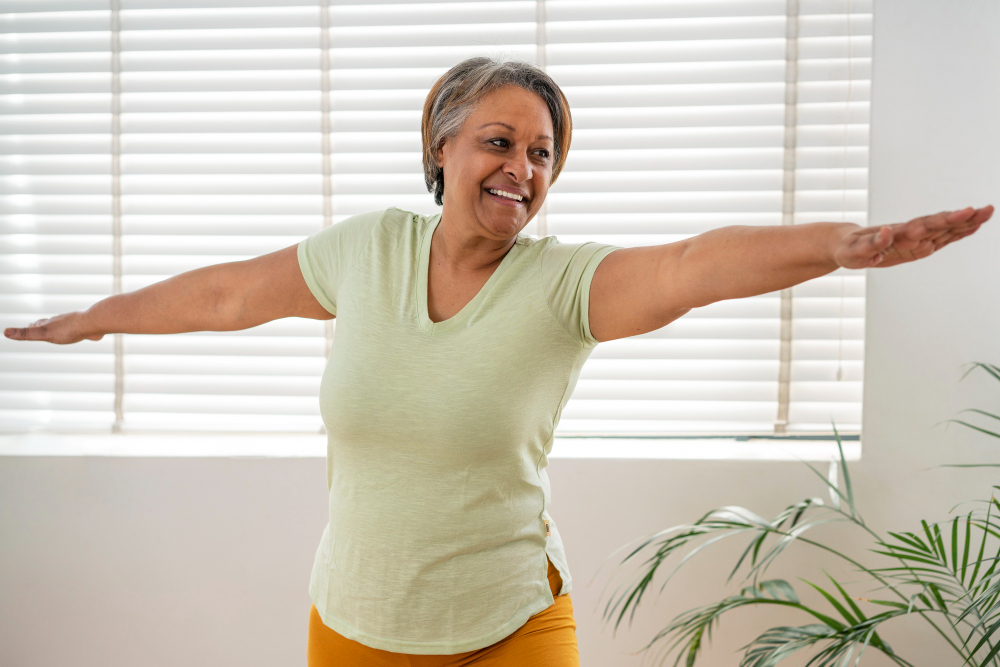
Staying active is important at any age. However, after 60, it becomes even more vital. Many women look for safe exercises for women over 60 to keep their bodies strong and healthy. In fact, regular movement can help prevent falls, boost mood, and improve daily life. This guide shares the best exercises for women over 60, focusing on safety and effectiveness. All routines are based on expert advice from trusted sources like the CDC and WHO.
Benefits of Exercise After 60
Exercise offers many benefits for older women. For example, it helps maintain muscle strength and joint flexibility. In addition, it supports heart health and bone strength. Regular activity can also reduce the risk of chronic diseases, such as diabetes and high blood pressure. Moreover, safe workouts for seniors can improve balance and lower the risk of falls. Staying active can even boost mood and mental sharpness.
5 Essential Exercises for Women Over 60
Below are five physiotherapy exercises for older women. Each one is safe, simple, and effective. Always start slow and listen to your body.
1. Seated Marching
Description: This exercise helps improve leg strength and balance. It is gentle on the joints and easy to do at home.
Steps:
Sit upright in a sturdy chair with your feet flat on the floor.
Hold the sides of the chair for support.
Lift your right knee as high as you can, then lower it.
Next, lift your left knee and lower it.
Repeat for 10–15 times on each leg.
Benefits: This move boosts leg strength and helps with walking. It also improves blood flow and balance.
2. Wall Push-Ups
Description: Wall push-ups are a safe way to build upper body strength. They are easier than floor push-ups but still effective.
Steps:
Stand facing a wall, about arm’s length away.
Place your hands flat on the wall at shoulder height.
Bend your elbows and lean toward the wall.
Push back to the starting position.
Repeat 10–15 times.
Benefits: This exercise strengthens the chest, arms, and shoulders. It also supports daily tasks like lifting and reaching.
3. Standing Heel Raises
Description: Heel raises help improve balance and strengthen the lower legs. They are simple and need no equipment.
Steps:
Stand behind a chair and hold the back for support.
Slowly rise up onto your toes.
Hold for a few seconds, then lower your heels.
Repeat 10–15 times.
Benefits: This move builds calf strength and improves balance. It can help prevent falls.
4. Gentle Seated Twists
Description: Seated twists help keep your back flexible. They are gentle and easy to do.
Steps:
Sit upright in a chair with your feet flat on the floor.
Place your right hand on your left knee.
Slowly turn your upper body to the left.
Hold for a few seconds, then return to center.
Repeat on the other side.
Do 5–10 times on each side.
Benefits: This exercise improves back movement and eases stiffness. It also helps with daily bending and reaching.
5. Ankle Circles
Description: Ankle circles keep your ankles flexible and strong. They are great for improving blood flow.
Steps:
Sit in a chair with your feet off the floor.
Slowly rotate your right ankle in a circle, 10 times each way.
Switch to your left ankle and repeat.
Benefits: This move helps prevent stiffness and swelling. It also supports safe walking.
Safety Tips for Exercise
Before starting any new routine, safety comes first. Here are some tips to keep in mind:
Start slow and increase activity gradually.
Use a sturdy chair or wall for support when needed.
Wear comfortable clothes and shoes.
Drink water before and after exercise.
Stop if you feel pain, dizziness, or shortness of breath.
Talk to your doctor or physiotherapist before beginning new exercises.
Conclusion
In summary, staying active with safe workouts can help women over 60 enjoy better health and independence. These five physiotherapy exercises are easy to start at home, but remember, everyone is unique. Consult Dr. Aditi, a physiotherapy expert, before starting any new exercise routine for personalized advice.