
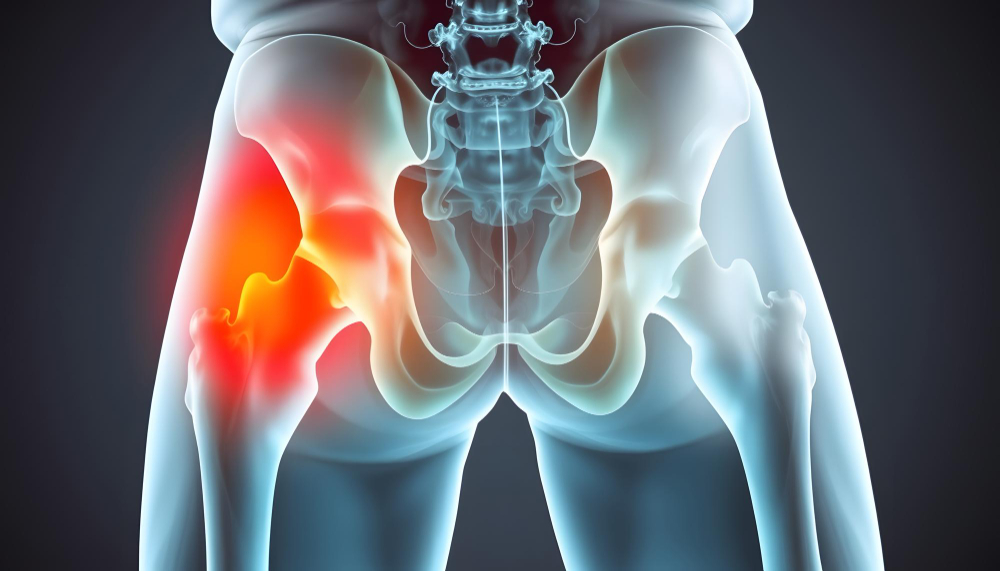
What is Sacroiliac Joint Pain?
Sacroiliac joint pain is a common cause of lower back and buttock discomfort. The sacroiliac (SI) joints connect your spine to your pelvis. When these joints become irritated or inflamed, pain can develop. For many people, sacroiliac joint pain affects daily life. However, with the right care, relief is possible.
Common Symptoms
Recognizing sacroiliac joint pain can help you seek the right treatment. Often, symptoms may be mild at first. Over time, they can become more noticeable. Common signs include:
Sometimes, the pain may feel sharp or dull. In some cases, it may spread to the groin or upper legs.
Causes and Risk Factors
There are several reasons why sacroiliac joint pain can occur. For example, injury or strain can affect the SI joints. Other causes include:
Additionally, certain risk factors can increase your chances of developing SI joint pain. These include being overweight, having a previous back injury, or working in jobs that require frequent bending.
Diagnosis Methods
Doctors use several methods to diagnose sacroiliac joint pain. First, they will ask about your symptoms and medical history. Next, a physical exam checks for pain and movement problems. Sometimes, imaging tests like X-rays or MRI scans help rule out other causes. In some cases, doctors may use a special injection to confirm the SI joint as the pain source. This process helps guide the best treatment plan.
Treatment Options
There are many ways to find sacroiliac joint pain relief. Treatment depends on your symptoms and their cause. Common options include:
Physiotherapy for sacroiliac pain is often very helpful. A physiotherapist can teach you gentle stretches and strengthening exercises. These moves help support your lower back and pelvis. For example, core exercises can improve stability and reduce strain on the SI joints. In some cases, your therapist may use hands-on techniques to ease stiffness. If pain continues, your doctor may suggest injections or, rarely, surgery.
Lifestyle Tips and Prevention
Making small changes can help prevent SI joint pain or stop it from coming back. For instance, try these tips:
Additionally, wearing supportive shoes and using good posture can protect your back. If you are pregnant, ask your doctor about safe ways to support your joints.
When to See a Doctor
Sometimes, sacroiliac joint pain can be managed at home. However, you should see a doctor if:
Early treatment can help prevent long-term problems. Therefore, do not wait if your symptoms get worse.
For the best sacroiliac joint pain treatment, consult Dr. Aditi. They can create a plan tailored to your needs and help you find relief.