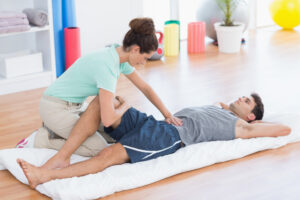

What is Pre-operative Physiotherapy?
Pre-operative physiotherapy means starting physical therapy before surgery. This approach helps your body get ready for the operation. Often, doctors recommend it for people who will have joint, heart, or lung surgery. Because it prepares your muscles and joints, pre-operative physiotherapy can make recovery easier. Many hospitals and clinics now offer this service as part of their care.
Why is Pre-operative Physiotherapy Important?
Before surgery, your body may not be as strong as it could be. However, with pre-operative physiotherapy, you can build strength and improve movement. This can help you heal faster after surgery. In addition, it may lower your risk of problems like infections or blood clots. For example, people who do exercises before knee or hip surgery often walk sooner after the operation. Therefore, starting physiotherapy early gives you a better chance for a smooth recovery.
Common Goals and Benefits
Pre-operative physiotherapy has clear goals. These include:
Because of these benefits, many people feel more confident going into surgery. Also, studies from the World Health Organization (WHO) show that pre-operative physiotherapy can shorten hospital stays and improve results.
Typical Assessment and Process
First, your physiotherapist will assess your health. They will ask about your medical history and check your strength, balance, and movement. Next, they will set goals with you. After that, you will get a plan made just for you. This plan may include exercises, breathing techniques, and advice on daily activities. Your therapist will also teach you what to expect after surgery. Because each person is different, your plan will match your needs and surgery type.
Exercises and Techniques Used
Pre-operative physiotherapy uses many safe and simple exercises. For example, you may do:
In addition, your therapist may show you how to move safely after surgery. This can help you avoid injury and pain.
How to Prepare for Your Physiotherapy Sessions
Before your first session, wear comfortable clothes and shoes. Bring any medical reports or surgery details. Also, write down your questions. Because your therapist needs to know your health history, share any past injuries or health problems. Arrive a few minutes early to relax. Most importantly, keep an open mind and be ready to learn new things.
Tips for Maximizing Results
Because every step counts, small efforts can lead to big improvements.
Frequently Asked Questions
Is pre-operative physiotherapy safe?
Yes, it is safe for most people. However, your therapist will check your health before starting.
How many sessions will I need?
The number of sessions depends on your surgery and health. Usually, people have a few sessions before surgery.
Can I do the exercises at home?
Yes, your therapist will give you safe exercises to do at home. But always follow their advice.
Will it help with pain after surgery?
Often, people who do pre-operative physiotherapy feel less pain and recover faster after surgery.
For personalized pre-operative guidance, consult a qualified physiotherapist Dr Aditi. They can help you prepare for surgery and improve your recovery.