
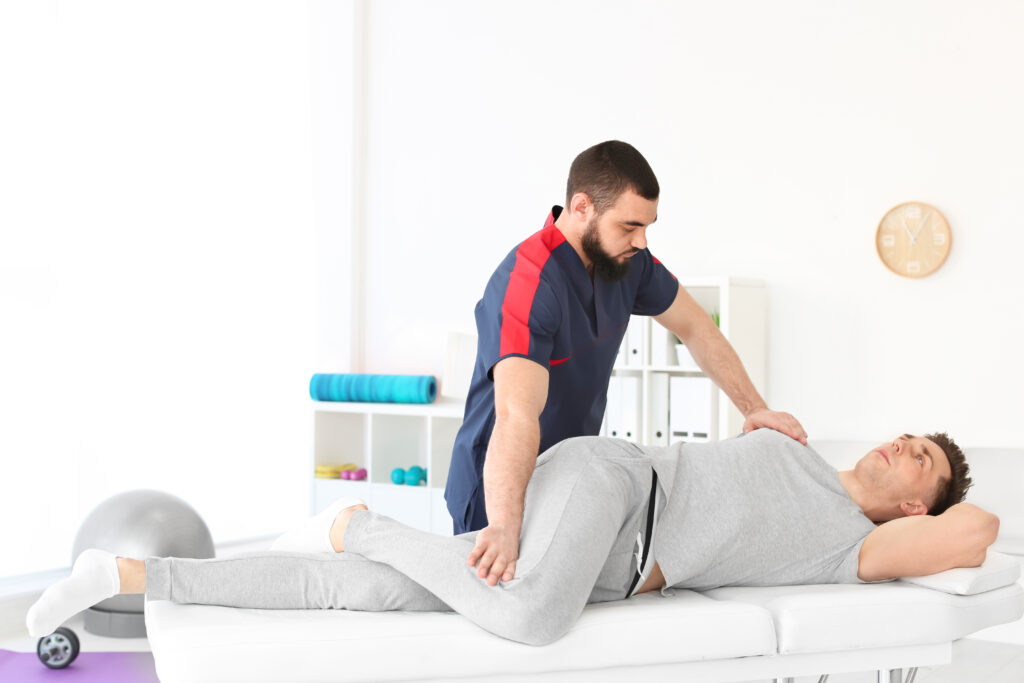
What Is Sciatica?
Sciatica is a type of nerve pain. It happens when the sciatic nerve, which runs from your lower back down each leg, gets irritated or pressed. As a result, you may feel pain, tingling, or numbness in your back, buttocks, or legs. Many people look for physiotherapy for sciatica to find relief and improve their daily life.
Common Symptoms of Sciatica
Not everyone feels sciatica the same way. However, some symptoms are very common. For example, you may notice:
Sometimes, the pain can be mild. But in other cases, it can be severe and limit your movement.
How Physiotherapy Helps Sciatica
Physiotherapy for sciatica is a proven way to manage pain and improve movement. In fact, the World Health Organization recommends exercise and physical therapy as first-line treatments for back and nerve pain. Because physiotherapists are trained to assess your condition, they can create a plan that fits your needs. This plan may include hands-on treatments, exercises, and advice on posture or daily habits.
Evidence-Based Physiotherapy Treatments
There are several treatments that physiotherapists use for sciatica. Each one aims to reduce pain and help you move better. Some common options include:
Because every person is different, your physiotherapist will choose the best mix of treatments for you.
Recommended Exercises for Sciatica Relief
Exercise is a key part of sciatica treatment. However, it is important to do the right moves. Here are some simple, safe exercises often used for sciatica pain relief:
Before starting any exercise, check with your physiotherapist. They can show you the safest way to do each move.
Tips for Safe Recovery and Preventing Recurrence
Recovering from sciatica takes time. But with the right steps, you can speed up healing and lower your risk of future pain. For example:
In addition, listen to your body. If an activity causes pain, stop and talk to your therapist.
When to Consult a Physiotherapist
If you have sciatica symptoms that last more than a few days, it is wise to seek help. Moreover, if your pain is severe, or you notice weakness or numbness, contact a physiotherapy clinic near you. Early treatment can prevent the problem from getting worse. A qualified physiotherapist can guide you on the best sciatica treatment options and help you recover safely.
Conclusion
Physiotherapy for sciatica offers safe, effective ways to ease pain and improve movement. With the right treatments and exercises, most people can recover well. However, always consult a qualified physiotherapist Dr. Aditi for personalized sciatica treatment and recovery advice.