
Introduction
Many people face challenges with walking due to injury, illness, or age. Physiotherapy for gait correction can help improve your walking pattern. Gait correction means fixing the way you walk to make it safer and more comfortable. Physiotherapy uses special exercises and treatments to help you walk better. This blog explains how physiotherapy can help, what to expect, and tips for your recovery.
Common Causes of Abnormal Gait
Several reasons can lead to an abnormal gait. Sometimes, it is due to an injury. Other times, it may be from a medical condition. Here are some common causes:
Because these causes vary, a proper assessment is important.
How Physiotherapy Helps with Gait Correction
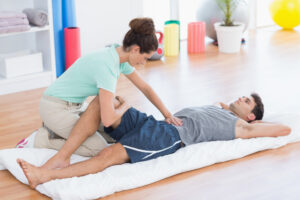
Physiotherapy for gait correction focuses on improving your walking pattern. First, a physiotherapist checks how you walk. Then, they create a plan just for you. This plan may include exercises, stretches, and balance training. As a result, you may walk more safely and confidently. In many cases, physiotherapy can also reduce pain and prevent falls.
Assessment and Diagnosis Process
Before starting treatment, your physiotherapist will assess your gait. This process often includes:
After the assessment, your physiotherapist will explain the findings. Together, you will set goals for your recovery.
Key Physiotherapy Techniques for Gait Correction
There are many ways physiotherapists help improve walking. Some common gait training exercises and techniques include:
Because every person is different, your plan will match your needs.
Benefits of Physiotherapy for Gait Correction
Physiotherapy offers many benefits for people with abnormal gait. For example, you may notice:
Over time, these benefits can help you enjoy life more fully.
Tips for Patients: Lifestyle and Home Exercises
Along with clinic visits, home exercises are important. Here are some tips to support your progress:
Additionally, staying active and eating well can help your recovery.
Prevention and Long-Term Management
Even after you finish treatment, it is important to keep moving. Regular exercise helps maintain your progress. For example, walking, swimming, or cycling are good choices. Also, check in with your physiotherapist if you notice changes in your walking. Early action can prevent problems from getting worse.
When to Consult a Physiotherapist
If you notice changes in your walking, do not wait. You should see a physiotherapist if you:
Many physiotherapy clinics near you can help with gait correction and rehabilitation for abnormal gait.
Conclusion
In summary, physiotherapy for gait correction can improve your walking and quality of life. With the right support, many people see great results. Consult Dr. Aditi for personalized guidance.