Introduction
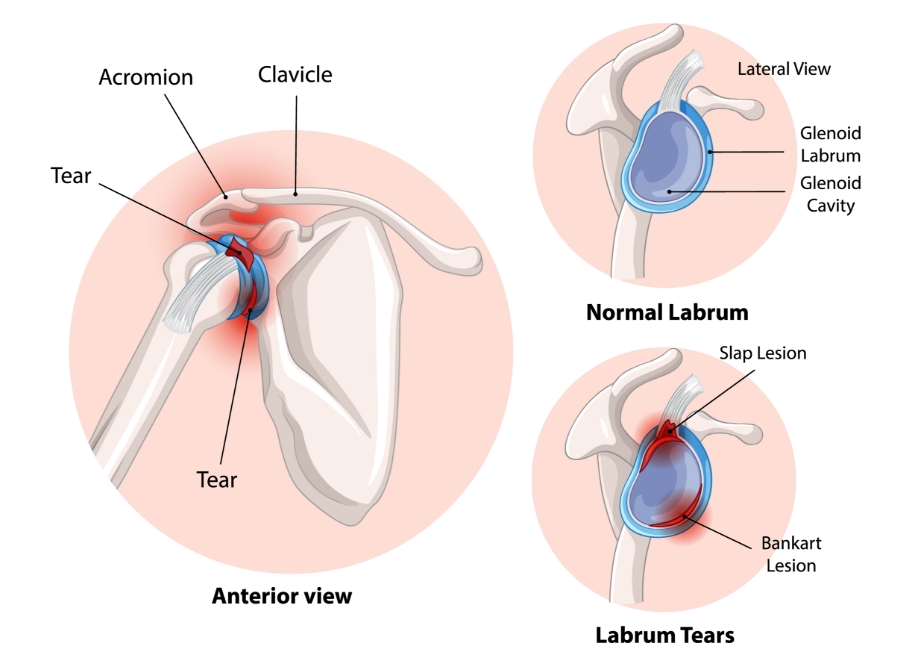
A SLAP tear is a shoulder injury that affects the labrum, a ring of cartilage in the shoulder joint. The term SLAP stands for “Superior Labrum Anterior and Posterior.” This injury is common in athletes and people who use their arms for heavy work. However, anyone can experience a SLAP tear. Early recognition of SLAP tear symptoms is important for proper treatment. With the right care, including physiotherapy, most people recover well. In this blog, you will learn about SLAP tear symptoms, causes, diagnosis, and treatment options, especially in physiotherapy.
Symptoms of SLAP Tear
SLAP tear symptoms can vary from person to person. Sometimes, the signs are mild at first. Over time, they may become more noticeable. Knowing these symptoms can help you seek help sooner. Common symptoms include:
For example, you might notice pain when throwing a ball or reaching up. If these symptoms last, it is wise to see a doctor.
Causes and Risk Factors
SLAP tears can happen for several reasons. Often, they result from sudden injury or repeated shoulder use. Here are some common causes and risk factors:
Additionally, athletes in sports like baseball or tennis are at higher risk. People with jobs that require heavy lifting may also be more likely to develop a SLAP tear.
Diagnosis
Diagnosing a SLAP tear starts with a physical examination. Your doctor will ask about your symptoms and how the injury happened. Next, they may check your shoulder’s strength and movement. Sometimes, special tests are used to see how your shoulder responds.
In many cases, imaging tests help confirm the diagnosis. These may include:
With these tools, doctors can find out if a SLAP tear is present and how severe it is. According to the American Academy of Orthopaedic Surgeons, a careful exam is key for proper treatment.
Treatment Options: Focus on Physiotherapy and Rehabilitation
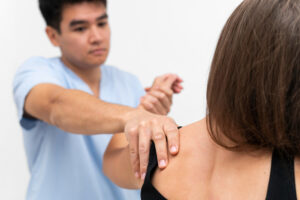
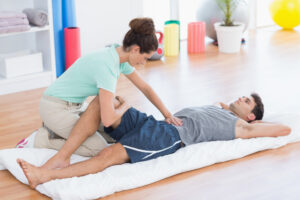
SLAP tear treatment depends on how severe the injury is. For many people, non-surgical options work well. Physiotherapy is often the first step. It helps reduce pain, restore movement, and strengthen the shoulder.
Common physiotherapy treatments for SLAP tear include:
In addition, your physiotherapist may use ice, heat, or ultrasound to ease pain. Over time, most people see improvement with regular sessions. However, if symptoms do not improve, surgery may be needed. After surgery, physiotherapy is still important for full recovery. For those seeking SLAP tear physiotherapy in your area, local clinics can guide you through a safe rehabilitation plan.
Prevention Tips and Lifestyle Guidance
While not all SLAP tears can be prevented, some steps can lower your risk. Here are some helpful tips:
Moreover, staying active and maintaining good posture can protect your shoulders. If you have had a shoulder injury before, follow your physiotherapist’s advice to avoid re-injury.
When to See a Doctor
If you have ongoing shoulder pain or weakness, it is important to see a doctor. Especially if you notice popping, locking, or trouble moving your arm, do not wait. Early diagnosis and treatment can prevent further damage. In some cases, waiting too long can make recovery harder. Always seek help if your symptoms get worse or do not improve with rest.
Conclusion
In summary, a SLAP tear is a common shoulder injury that can cause pain and limit movement. Recognizing SLAP tear symptoms early helps you get the right treatment. Physiotherapy plays a key role in recovery and shoulder injury rehabilitation. If you think you may have a SLAP tear, consult Dr Aditi for personalized guidance.