Introduction
Physiotherapy for stroke is a key part of stroke recovery. After a stroke, many people have trouble moving or doing daily tasks. Because of this, physiotherapy helps patients regain strength and movement. In fact, stroke rehabilitation exercises and physical therapy after stroke can make a big difference. With the right support, many people improve their quality of life. This blog explains how physiotherapy for stroke works, its benefits, and tips for recovery.
What is Stroke and How Does it Affect the Body?
A stroke happens when blood flow to part of the brain stops. As a result, brain cells do not get enough oxygen. This can cause damage to the brain. According to the World Health Organization (WHO), stroke is a leading cause of disability worldwide. Some people may lose movement in their arms or legs. Others may have trouble speaking or understanding words. Sometimes, stroke can also affect memory or mood. Because every stroke is different, the effects can vary from person to person.
The Role of Physiotherapy in Stroke Recovery
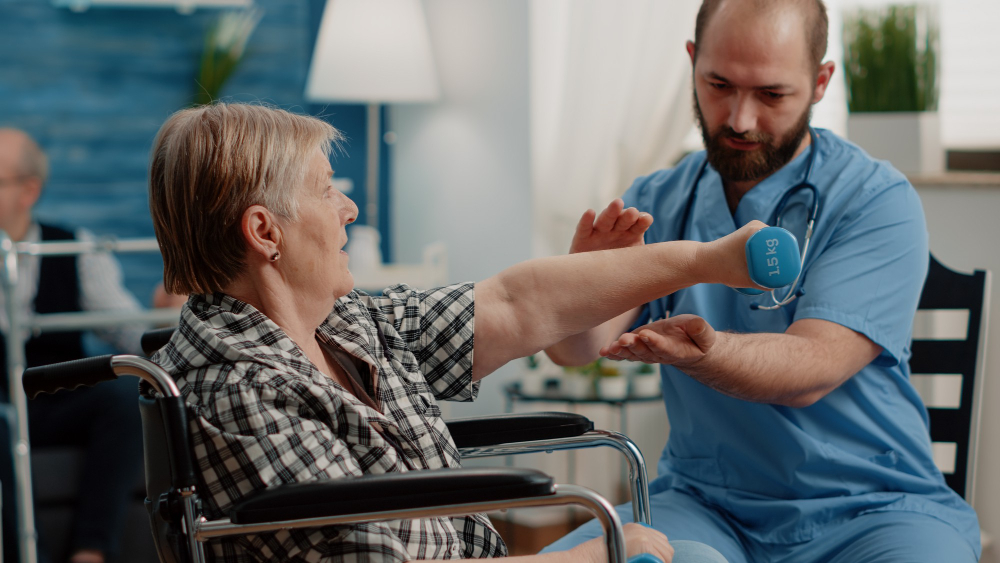
After a stroke, the brain and body need time to heal. However, starting physiotherapy early can help speed up recovery. Physiotherapists are trained to help stroke patients move safely. They design special exercises to improve strength, balance, and coordination. For example, some exercises help patients learn to walk again. Others focus on using the arms or hands. With regular sessions, patients often regain lost skills. In addition, physiotherapy can help prevent problems like stiff joints or muscle weakness.
Key Physiotherapy Techniques for Stroke Patients
There are many techniques used in stroke rehabilitation. Each patient gets a plan that fits their needs. Some common physiotherapy techniques include:
Because every stroke is unique, physiotherapists adjust these techniques as needed. They also teach family members how to help at home.
Benefits of Physiotherapy After Stroke
Physiotherapy offers many benefits for stroke survivors. Not only does it help restore movement, but it also improves confidence. Some key benefits include:
Moreover, regular physiotherapy can boost mood and mental health. According to the Centers for Disease Control and Prevention (CDC), early and ongoing therapy leads to better outcomes.
Tips for Maximizing Recovery at Home
While therapy sessions are important, recovery continues at home. Here are some stroke recovery tips to help patients get the most from physiotherapy:
Because recovery takes time, patience is important. However, staying active and positive can help speed up progress.
Prevention of Stroke Recurrence: Lifestyle and Physiotherapy Advice
After a stroke, it is important to lower the risk of another one. Both lifestyle changes and physiotherapy can help. Here are some tips for stroke prevention:
In addition, physiotherapy can help you stay active and maintain a healthy weight. This reduces the risk of future strokes.
Conclusion
Physiotherapy for stroke is a vital part of recovery. With the right support, many people regain movement and independence. Because every stroke is different, a personalized plan is best. For the safest and most effective recovery, consult Dr. Aditi for personalized stroke recovery guidance.