Introduction
Total knee replacement (TKR) is a common surgery for people with severe knee pain or damage. Many people choose this surgery to improve movement and reduce pain. However, recovery does not end after the operation. In fact, physiotherapy for TKR plays a key role in helping you regain strength and movement. With the right exercises and care, you can return to daily activities faster and safer.
What Is Total Knee Replacement (TKR)?
TKR is a surgery where a damaged knee joint is replaced with an artificial one. Usually, doctors suggest this procedure for people with severe arthritis or injury. As a result, the new joint helps reduce pain and improve movement. However, surgery alone is not enough for full recovery.
When Is TKR Needed?
Doctors may recommend TKR if you have:
Often, these symptoms are due to conditions like osteoarthritis or injury. If you notice these signs, it is important to talk to your doctor.
Why Is Physiotherapy Important After TKR?
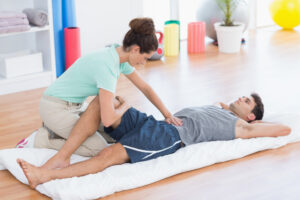
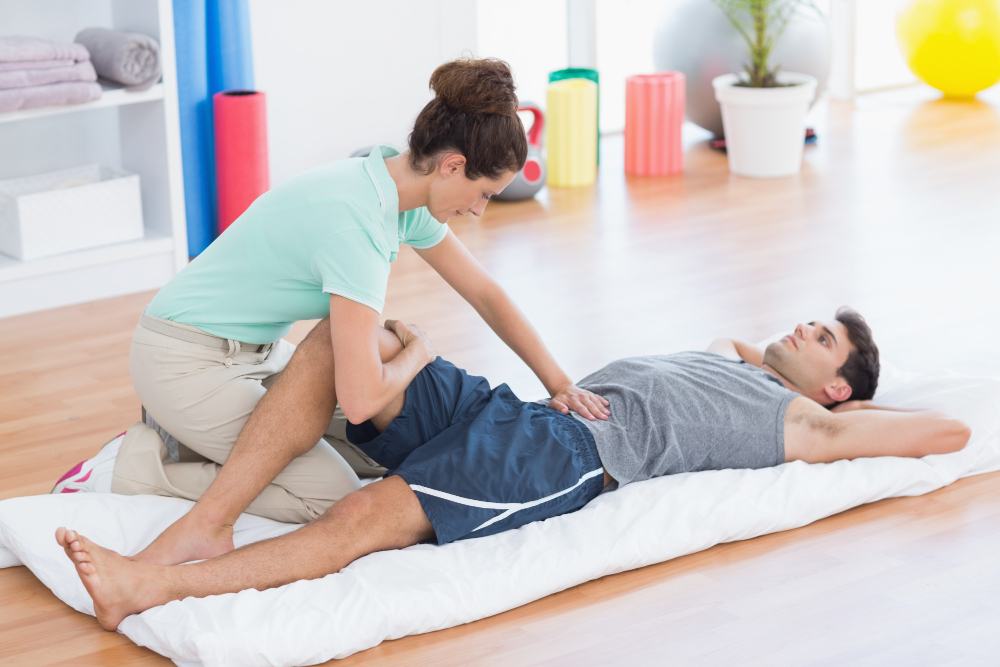
After TKR, your knee needs time and care to heal. Physiotherapy for TKR helps you regain strength, movement, and balance. Moreover, it lowers the risk of problems like stiffness or blood clots. With regular physiotherapy, you can return to walking, climbing stairs, and other daily tasks sooner. According to the World Health Organization, early movement after surgery helps prevent many complications.
Common Goals of Physiotherapy After TKR
Physiotherapy has clear goals after knee replacement. These include:
With these goals in mind, your physiotherapist will create a plan just for you.
Stages and Timeline of Physiotherapy After TKR
Physiotherapy for TKR happens in stages. Each stage has different goals and exercises. Here is a simple timeline:
However, everyone heals at a different pace. Your physiotherapist will adjust your plan as needed.
Essential Physiotherapy Exercises After TKR
After TKR, certain exercises help you recover faster. Always follow your physiotherapist’s advice. Here are some common knee replacement recovery exercises:
For best results, do these exercises as advised. If you feel pain or discomfort, stop and talk to your physiotherapist.
Tips for Safe and Effective Recovery
Recovering from TKR takes time and patience. To help you heal safely, consider these tips:
Additionally, always listen to your body. If something feels wrong, seek help right away.
Preventing Complications After TKR With Physiotherapy
Physiotherapy for TKR not only helps you move better but also prevents problems. For example, regular movement lowers the risk of blood clots. Gentle exercises reduce swelling and stiffness. Moreover, learning to walk safely helps prevent falls. To avoid infection, keep your wound clean and follow your doctor’s advice. If you notice redness, fever, or severe pain, contact your doctor at once.
When to Consult a Physiotherapist or Doctor
After TKR, regular check-ups are important. You should contact your physiotherapist or doctor if you:
Early action can prevent serious problems and help you recover faster.
Conclusion
In summary, physiotherapy for TKR is vital for a smooth and safe recovery. With the right exercises and care, you can regain movement and enjoy daily life again. For the best results, consult Dr. Aditi for a personalized recovery plan after TKR.